HVAC replacement cost in 2026 depends on system size, efficiency, equipment type, ductwork, and installation complexity.
There isn’t one universal price. The final cost depends on the type and size of equipment, efficiency rating, condition of the existing ductwork, installation complexity, electrical requirements, permits, and several other factors.
In 2026, a complete residential HVAC replacement can commonly fall somewhere between $7,500 and $18,000 or more, depending on the project. Premium equipment, heat pumps, duct modifications, electrical upgrades, or complicated installations can push the total higher.
Understanding what affects the price can help you compare estimates and choose the right system for your home rather than simply selecting the lowest quote.
Average HVAC Replacement Cost in 2026
Here is a general idea of what homeowners may encounter:
| Project Level | Approximate Installed Cost | Typical Situation |
|---|---|---|
| Basic | $7,500–$9,500 | Standard equipment and straightforward replacement |
| Mid-Range | $9,500–$14,000 | Higher-efficiency equipment and typical installation |
| Premium | $14,000–$18,000+ | Heat pumps, premium systems, upgrades or complex installation |
These numbers are only general estimates.
Two homes of similar size can receive very different quotes depending on the existing HVAC setup and what needs to be changed during installation.
What Are You Actually Paying for When Replacing an HVAC System?
The equipment itself is only part of the total cost.
A professional HVAC replacement may involve several stages of work before the new system is ready to operate.
New HVAC Equipment
The largest portion of the project is usually the heating and cooling equipment itself.
Depending on the home, this could include:
- Central air conditioner
- Furnace
- Heat pump
- Air handler
- Indoor evaporator coil
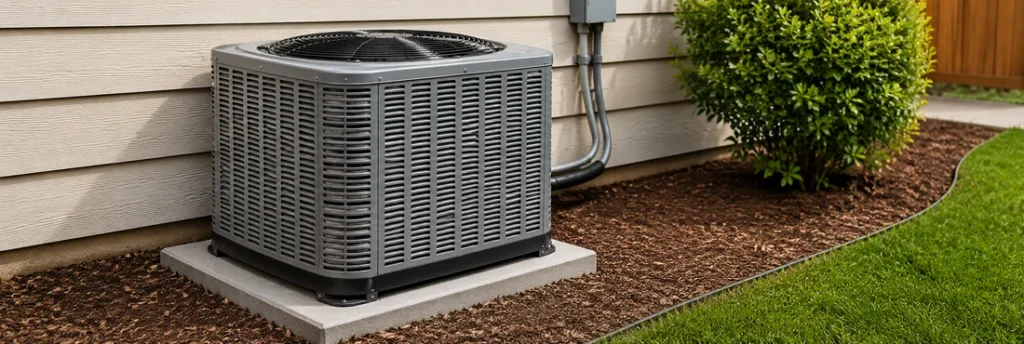
- Outdoor condenser
- Ductless mini-split equipment
Brand, capacity and efficiency all influence equipment pricing.
Removal of the Existing System
Before installation begins, the old HVAC equipment must be disconnected and removed safely.
This may also involve proper recovery and handling of refrigerant.
Professional Installation
Installation labor can include equipment placement, refrigerant connections, drain lines, electrical connections, controls, system setup and testing.
A properly installed system is just as important as the equipment you purchase. Even high-quality HVAC equipment can perform poorly when installed incorrectly.
Permits and Required Inspections
HVAC replacements may require permits and inspections depending on local regulations.
For homeowners in Los Angeles and surrounding communities, permit and code requirements should be considered when estimating the complete project cost.
Additional Components
Some installations also require additional work or equipment, including:
- New thermostat
- Refrigerant line modifications
- Condenser pad
- Electrical disconnect
- Circuit or wiring upgrades
- Drain line improvements
- Duct modifications
- Airflow improvements
These items can significantly change the final price.
What Determines the Cost of HVAC Replacement?
Several factors have a much greater impact on pricing than others.
1. Type of HVAC System
Different heating and cooling technologies come with different equipment and installation requirements.
A traditional central AC and furnace combination, for example, may have a different installation cost than a heat pump or multi-zone ductless system.
Common options include:
Central AC + Furnace
A familiar choice for homes that already have ductwork and separate heating and cooling equipment.
Heat Pump
Heat pumps provide both heating and cooling from one system. They have become increasingly popular, especially when homeowners want to reduce reliance on traditional gas heating.
Ductless Mini-Split
Mini-splits can be useful for homes without existing ducts, additions, garages or areas requiring independent temperature control.
Multiple indoor zones generally increase equipment and installation costs.
Dual-Fuel System
A dual-fuel configuration combines a heat pump with a furnace, allowing the system to use different heating methods depending on conditions.
2. Home Size and Required HVAC Capacity
A larger home generally requires equipment with greater capacity, but square footage isn’t the only consideration.
Professional HVAC sizing should account for factors such as:
- Home size
- Insulation
- Window area
- Ceiling height
- Building orientation
- Air leakage
- Local climate
- Number of occupants
Installing an oversized system isn’t necessarily an upgrade.
Equipment that is too large or too small can reduce comfort and efficiency and may shorten equipment life.
This is why proper system sizing and load calculations are important when planning a replacement.
3. Equipment Efficiency
Higher-efficiency HVAC systems usually cost more initially.
For air conditioning and heat pump equipment, efficiency ratings such as SEER2 help homeowners compare system performance.
Furnaces are commonly compared using AFUE ratings.
Higher-efficiency equipment may reduce energy consumption, but the most expensive system isn’t automatically the best choice for every property.
The right balance depends on your home, climate, energy costs and how long you expect to own the property.
4. Condition of Existing Ductwork
Replacing HVAC equipment doesn’t automatically fix problems with the duct system.
Older ducts may have:
- Air leaks
- Poor insulation
- Damaged sections
- Incorrect sizing
- Restricted airflow
- Poor design
If significant duct repairs or replacement are required, the overall project cost can increase.
However, installing new equipment on an inefficient duct system can prevent the new HVAC system from delivering its expected performance.
5. Electrical Requirements
Modern HVAC equipment may require electrical changes.
Depending on the system, installation could involve:
- New breaker
- Updated wiring
- Disconnect replacement
- Circuit upgrades
- Electrical panel modifications
Heat pump conversions can sometimes require more extensive electrical work than a straightforward replacement of similar equipment.
6. Installation Location
Equipment accessibility can make a major difference in labor costs.
Replacing a unit with easy ground-level access is generally simpler than working with equipment located in:
- Tight attics
- Small mechanical closets
- Rooftops
- Crawl spaces
- Difficult-access areas
Some installations may require additional workers or specialized equipment.
7. Permits and Code Requirements
A new HVAC installation may need to comply with current building, mechanical, electrical and energy-efficiency requirements.
An older installation may have been completed under different standards.
As a result, replacing old equipment sometimes requires additional upgrades to bring the installation into compliance with current requirements.
HVAC Replacement Cost by System Type
Approximate installed costs in 2026 may look like this:
| HVAC System | Typical Cost Range |
|---|---|
| Central AC + Furnace | $8,500–$14,500 |
| Ducted Heat Pump | $9,500–$17,500 |
| Ductless Mini-Split System | $9,000–$18,500+ |
| Dual-Fuel HVAC System | $12,000–$20,000+ |
Actual prices can fall outside these ranges.
The number of zones, equipment capacity, efficiency level and required modifications can all affect the final estimate.
Should You Repair or Replace Your HVAC System?
Not every HVAC problem requires replacement.
If your equipment is relatively new and has a repairable component failure, repairing it can make much more financial sense.
Replacement becomes worth considering when several problems begin occurring together.
Age of the Equipment
Many HVAC systems can operate for well over a decade when properly maintained.
However, as equipment ages, components wear out and repair frequency may increase.
If your system is approaching 12–15 years old, comparing repair costs with replacement options can be worthwhile.
Frequent Repairs
One repair doesn’t necessarily justify replacing an entire HVAC system.
Repeated service calls are different.
If you’re continually paying to keep aging equipment operating, investing that money toward a new system may make more sense.
Increasing Energy Bills
Older or poorly performing HVAC equipment may consume considerably more energy than necessary.
If utility costs keep increasing despite normal usage, HVAC efficiency should be evaluated.
Poor Indoor Comfort
Another warning sign is a system that runs but no longer maintains consistent temperatures.
You may notice:
- Hot and cold rooms
- Long operating cycles
- Weak airflow
- Excessive humidity
- Difficulty reaching the thermostat setting
These problems don’t always mean replacement is required, but they should be professionally diagnosed.
Major Repair Cost
When an older HVAC system needs an expensive compressor, coil or other major repair, it’s worth comparing the repair cost against the price and expected lifespan of new equipment.
Is It Better to Replace the AC and Furnace Together?
Homeowners often ask whether they can replace only one part of their HVAC system.
Sometimes they can.
However, the indoor and outdoor components of a central HVAC system are designed to operate together.
Combining new equipment with significantly older components can create compatibility, efficiency or performance concerns.
If both systems are already near the end of their expected service life, replacing them together may provide better long-term value.
A technician should evaluate the existing equipment before making that decision.
How Can You Reduce HVAC Replacement Costs?
Choosing the cheapest equipment isn’t the only way to control the cost of a replacement.
Get a Detailed Estimate
Your estimate should clearly explain what equipment and work are included.
Look for details covering:
- Equipment
- Labor
- Removal of old equipment
- Permit-related costs
- Electrical work
- Duct modifications
- Thermostat
- Additional materials
A detailed quote makes it much easier to compare contractors accurately.
Don’t Oversize the System
Bigger isn’t always better.
Buying more HVAC capacity than your home actually requires can increase both equipment cost and operating problems.
Correct sizing helps you avoid paying for unnecessary capacity.
Consider More Than the Initial Price
A less expensive HVAC system may have higher operating costs over its lifetime.
When comparing options, consider:
Purchase price + installation cost + expected energy use + maintenance + expected service life.
That gives a more realistic picture of long-term cost.
Ask About Available Rebates
Depending on the equipment and location, homeowners may have access to utility, manufacturer, state or local incentive programs.
Because HVAC incentives can change, eligibility should be verified when you’re ready to purchase rather than assumed based on an older rebate program.
Why HVAC Quotes Can Be So Different
It isn’t unusual to receive noticeably different prices from different HVAC contractors.
The lowest quote and highest quote may not include the same work.
One estimate might include permits, electrical upgrades, a thermostat, equipment removal and duct modifications, while another may list some of these as additional charges.
Equipment specifications can also differ even when both contractors describe their proposal as a “new HVAC system.”
Before comparing prices, compare:
- Equipment model
- Capacity
- Efficiency rating
- Scope of installation
- Warranty
- Labor warranty
- Permit responsibility
- Electrical work
- Ductwork
- Additional materials
Compare the entire scope of work—not just the number at the bottom of the estimate.
Planning an HVAC Replacement in Los Angeles?
The best HVAC system isn’t necessarily the most expensive one. It is the system that is correctly sized, properly installed and appropriate for the property.
ARD Engineering Group provides residential HVAC replacement and installation services throughout Los Angeles and Surrounding Areas.
Our team can evaluate your existing heating and cooling system, discuss replacement options and provide an estimate based on the actual requirements of your home.
Whether you’re considering a traditional central HVAC system, heat pump or another solution, professional evaluation can help you make an informed decision before investing in new equipment.